With ambient air monitoring, “close enough” can mean the difference between a passed audit and costly revalidation. As regulatory expectations tighten under EPA 40 CFR Part 58, ensuring defensible, traceable data is non-negotiable. Between analyzer drift, environmental variability, and complex calibration requirements, maintaining compliance is as much about process integrity as it is about equipment
Read MoreZero air, zero margin-for-error: How the ZAG optimizes your ambient calibration setup
In trace gas analysis, your results are only as reliable as your baseline. A contaminated zero isn’t just a minor deviation, it’s a compounding error
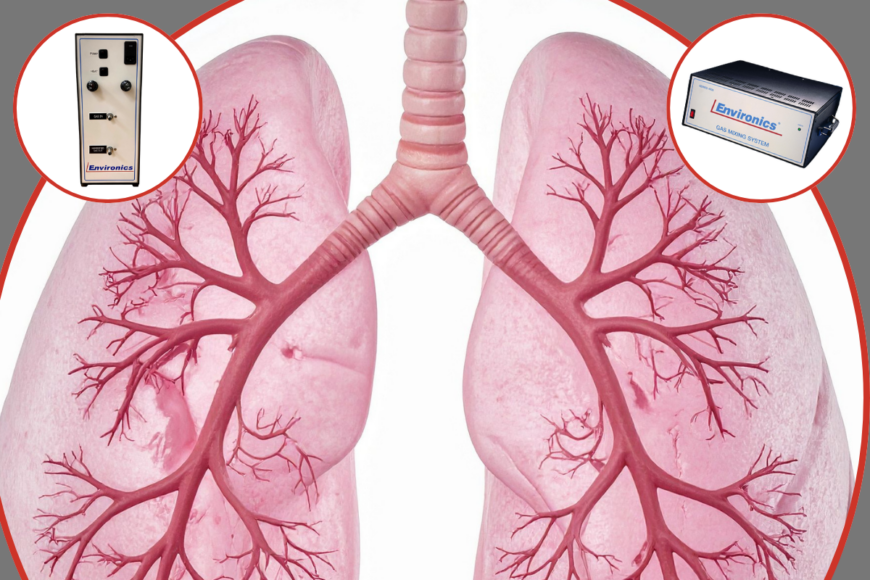
Read MoreInside the human respiratory system, inhaled air is rapidly transformed into a warm, moisture-rich gas mixture before reaching the lower airways. Medical gas testers must
Read MoreOutside the laboratory, gases rarely behave in isolation. Instead, they exist within dynamic atmospheric systems where water vapor continuously reshapes their physical and chemical properties.
Read MoreA gas sensor calibrated under dry laboratory conditions may behave very differently once exposed to humid operating environments. Water vapor changes reaction pathways, alters adsorption
Read MoreHypoxia remains one of aviation's most persistent physiological hazards, not because it is rare, but because it is often quiet, personal, and unpredictable. Warning systems
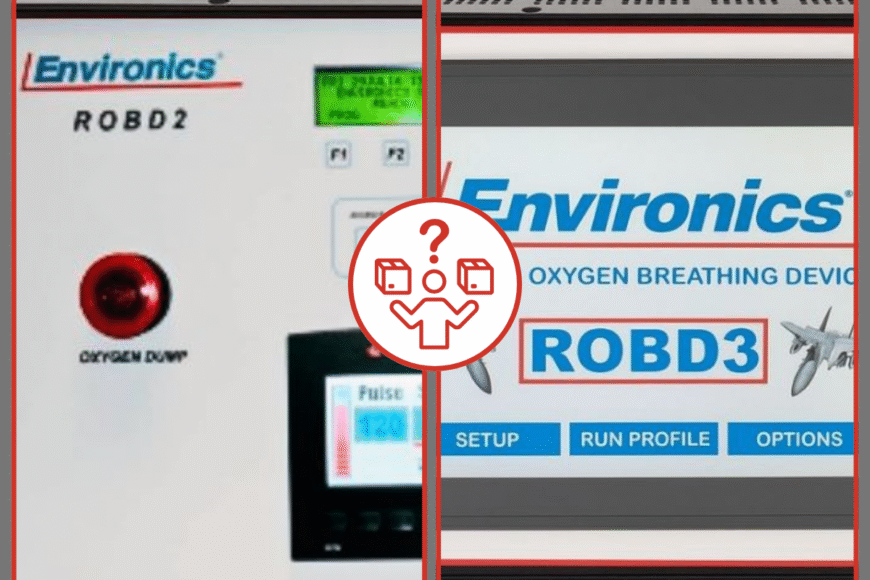
Read MoreHypoxia training devices: Why is normobaric hypoxia training replacing pressure chambers?
Simulating altitude has traditionally meant accepting operational complexity as a given. Hypoxia, by nature invisible and highly individualized, demands firsthand exposure if pilots are to
Read MoreWhat makes the Series 6103 the multi-gas calibrator of choice for ambient monitoring?
Ambient air quality data is only valuable when its measurements can be trusted. For modern monitoring programs, that trust must be sustained over long timeframes,
Read MoreHuman physiology relies on an oxygen pressure gradient that transports oxygen from ambient air to the mitochondria, sustaining aerobic metabolism. Hypoxia arises when that gradient
Read MoreGas sensors are relied upon to perform accurately in environments where safety, compliance, and efficiency are on the line. Meeting such demands necessitates that gas sensors are tested under carefully controlled conditions, with variables like temperature, pressure, gas concentration, and flow rate precisely managed. Among these variables stands humidity, which is particularly influential and can
Read More