Inside the human respiratory system, inhaled air is rapidly transformed into a warm, moisture-rich gas mixture before reaching the lower airways. Medical gas testers must replicate these conditions to evaluate how ventilators, humidifiers, and respiratory monitoring systems behave during actual patient use. This requires far more than adding moisture to a gas stream. Modern gas
Read MoreOutside the laboratory, gases rarely behave in isolation. Instead, they exist within dynamic atmospheric systems where water vapor continuously reshapes their physical and chemical properties.
Read MoreA gas sensor calibrated under dry laboratory conditions may behave very differently once exposed to humid operating environments. Water vapor changes reaction pathways, alters adsorption
Read MoreHypoxia remains one of aviation's most persistent physiological hazards, not because it is rare, but because it is often quiet, personal, and unpredictable. Warning systems
Read MoreHypoxia training devices: Why is normobaric hypoxia training replacing pressure chambers?
Simulating altitude has traditionally meant accepting operational complexity as a given. Hypoxia, by nature invisible and highly individualized, demands firsthand exposure if pilots are to
Read MoreWhat makes the Series 6103 the multi-gas calibrator of choice for ambient monitoring?
Ambient air quality data is only valuable when its measurements can be trusted. For modern monitoring programs, that trust must be sustained over long timeframes,
Read MoreHuman physiology relies on an oxygen pressure gradient that transports oxygen from ambient air to the mitochondria, sustaining aerobic metabolism. Hypoxia arises when that gradient
Read MoreGas sensors are relied upon to perform accurately in environments where safety, compliance, and efficiency are on the line. Meeting such demands necessitates that gas
Read MoreSemiconductor manufacturing leaves no room for error. Production begins with ultra-pure process gases (dopants, etchants, and carriers) that must be delivered in exact concentrations to
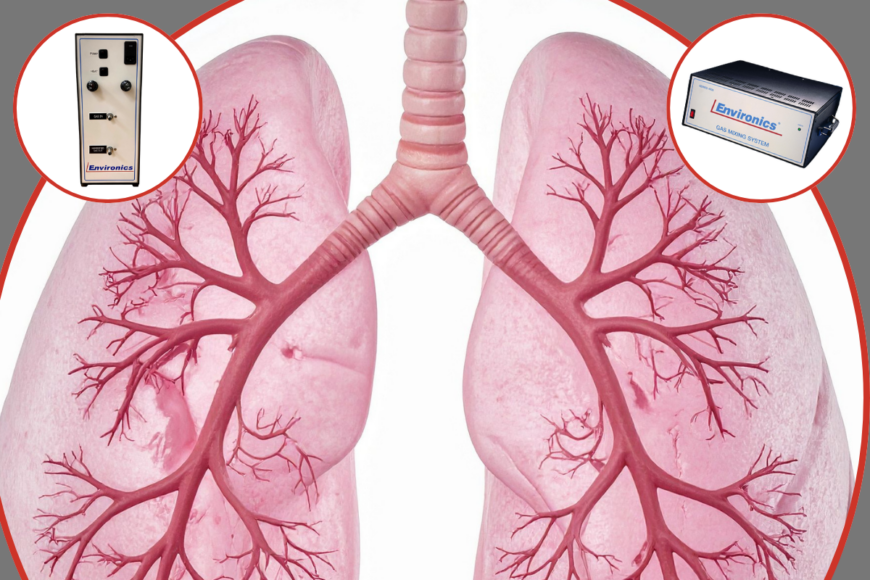
Read MoreThe integrity of measurements, from environmental monitoring to industrial process control, is built on precise, traceable gas calibration. Accurate analytical results depend on how well gas analyzers, sensors, and monitoring instruments are verified against known calibration standards. To achieve this, analytical laboratories and industrial operators employ controlled gas sources that provide consistent, quantifiable reference concentrations. Two
Read More